Three main fees: fulfillment (by size + weight), storage (by volume + season), and referral (8-15% of price). The biggest mistake: pricing without fully deducting fees → you lose money. Use an FBA calculator + SellerSprite's profitability tool before ordering inventory.
The three main fee types
- Fulfillment fee — per unit, by size tier + weight.
- Storage fee — by volume + season (Q4 peak is higher).
- Referral fee — 8-15% of sale price, by category.
Amazon fees change yearly and by category — always check the current fee schedule before pricing.
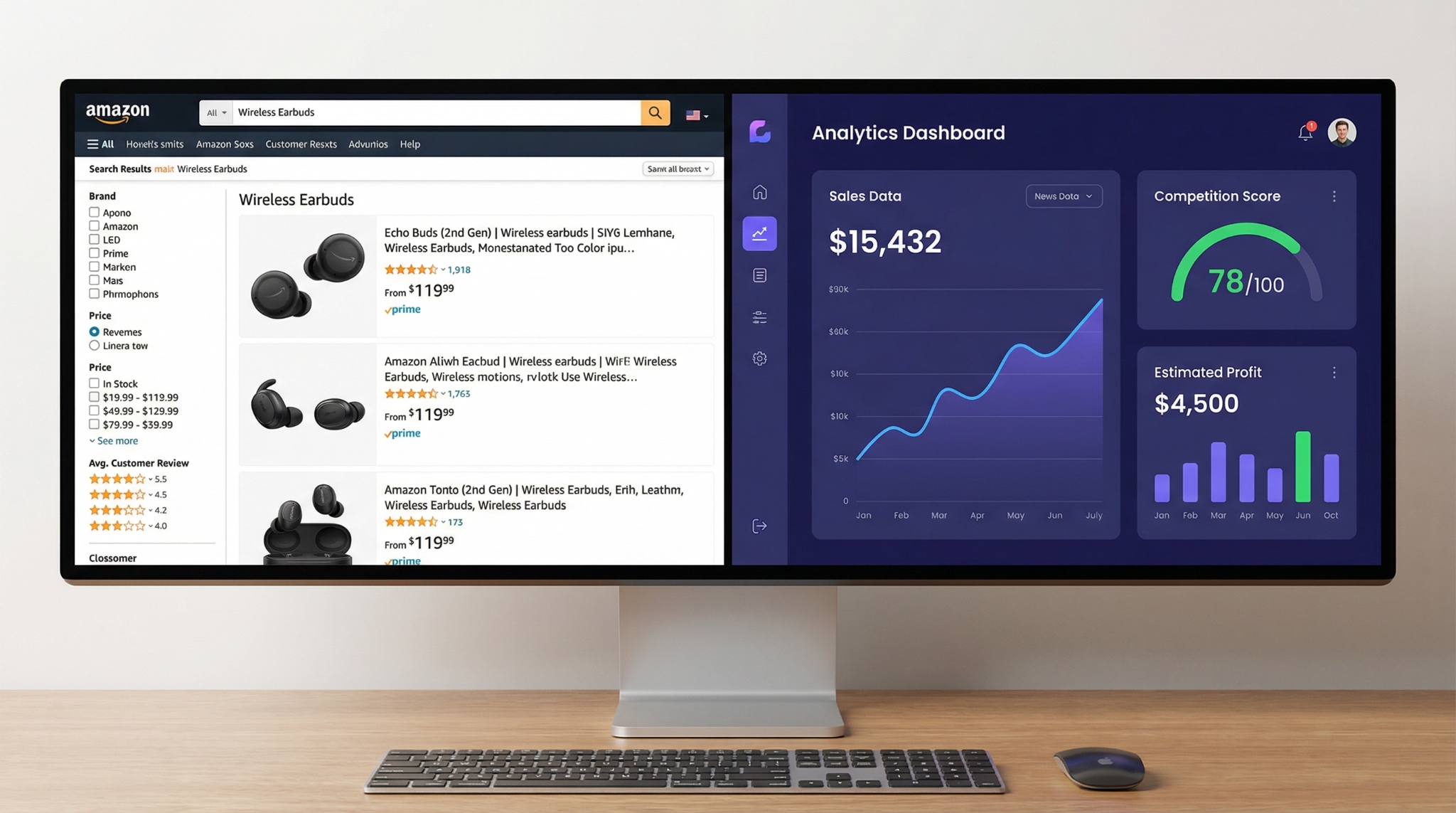
Measure true profit (after FBA fees) before ordering.
Size tier drives fulfillment cost
Small + light = low fees + high margin. Large + heavy = high fees + harder to compete. Favor small standard-size products when sourcing.
How to cut FBA fees
(1) Pick small/light products. (2) Optimize packaging to cut volume. (3) Avoid slow-moving stock (dodge long-term + Q4 storage surcharges). (4) Price for profit (deduct all fees first). (5) Watch inventory health in Seller Central.
Compute true profit
Formula: sale price − product cost − fulfillment − referral − storage − PPC − returns = gross profit. Use SellerSprite's Profitability Calculator + Sales Estimator to estimate up front.
FAQ
How much does Amazon FBA cost?
Per-unit fulfillment fee (size + weight) + monthly storage + referral fee (8-15%). Small light items can be under $3/unit; large heavy items much more.
Difference between FBA and FBM fees?
FBA: Amazon charges fulfillment + storage but handles pick/pack/ship/returns. FBM: you handle it, so no FBA fees but you pay your own labor, shipping and warehousing.