Product research = identifying products with sales potential and sustainable margin. In 2026, with millions of sellers, only data-driven research wins. Advice: use a hybrid method (manual + tool), prioritize low reviews + steady revenue + a brand gap.
What is Amazon product research?
The process of identifying, analyzing and validating products with strong sales potential and sustainable profitability — before you spend money on inventory.
Why it matters in 2026
Over 2.3 million active sellers in the US alone. Gut calls aren't enough anymore — data is what lets you pick the right niche, dodge overpowering competitors, and track shifting demand.
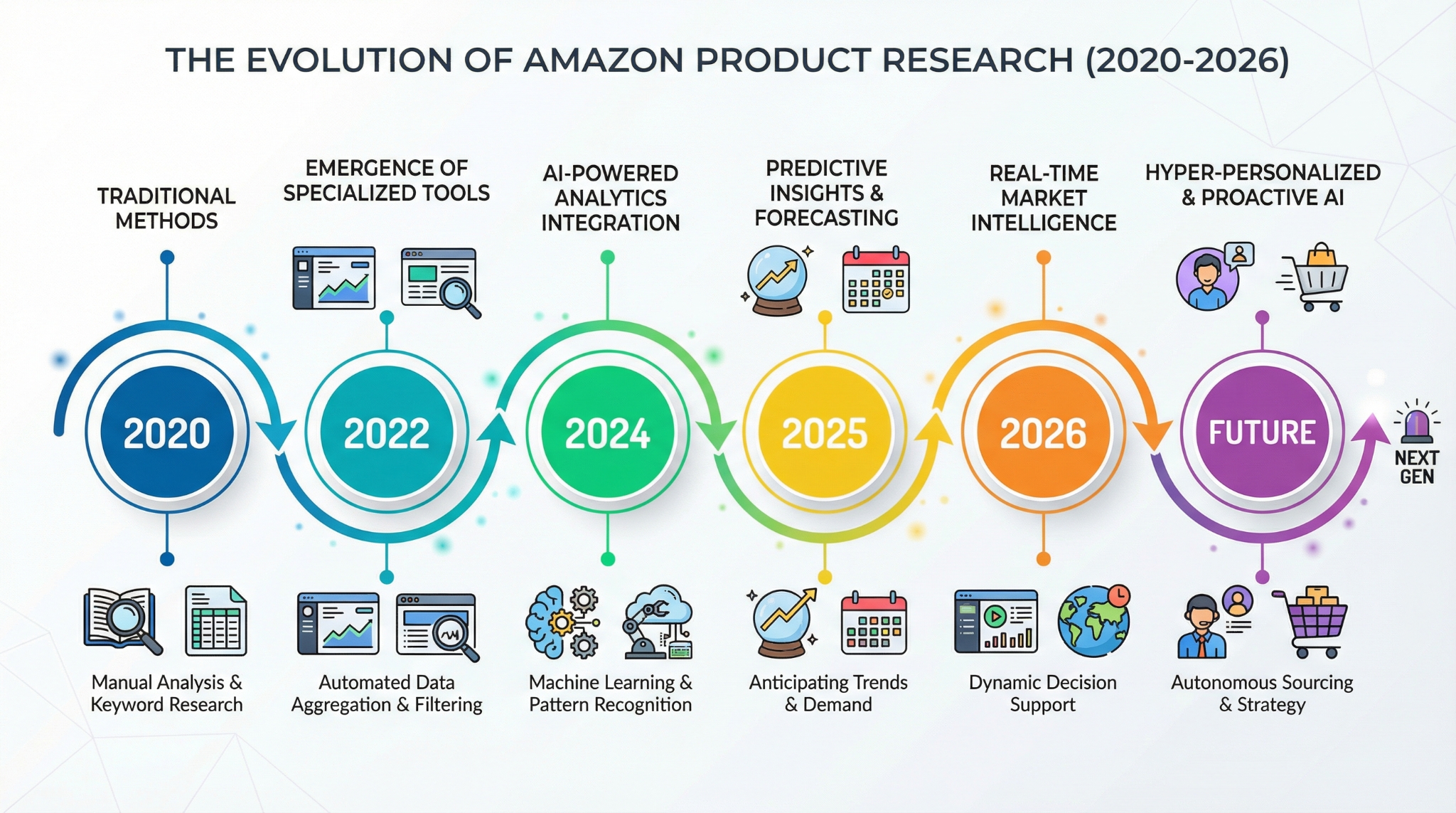
Amazon research tools move fast — 2026 favors AI + large data.
The best methods
Three approaches: manual (beginner-friendly, free but slow), automated tools (fast, scalable), and hybrid (both — optimal). SellerSprite sits at the balance point of power and simplicity, with AI insights.
5 steps to find low-competition niches
- Filter by low review count — niches where top listings have few reviews are winnable.
- Seek steady sales, not a one-off spike.
- Analyze the top 10 competitors: BSR, reviews, price, listing quality.
- Identify a brand gap — an angle no one owns yet.
- Validate externally with search trends and supplier feasibility.
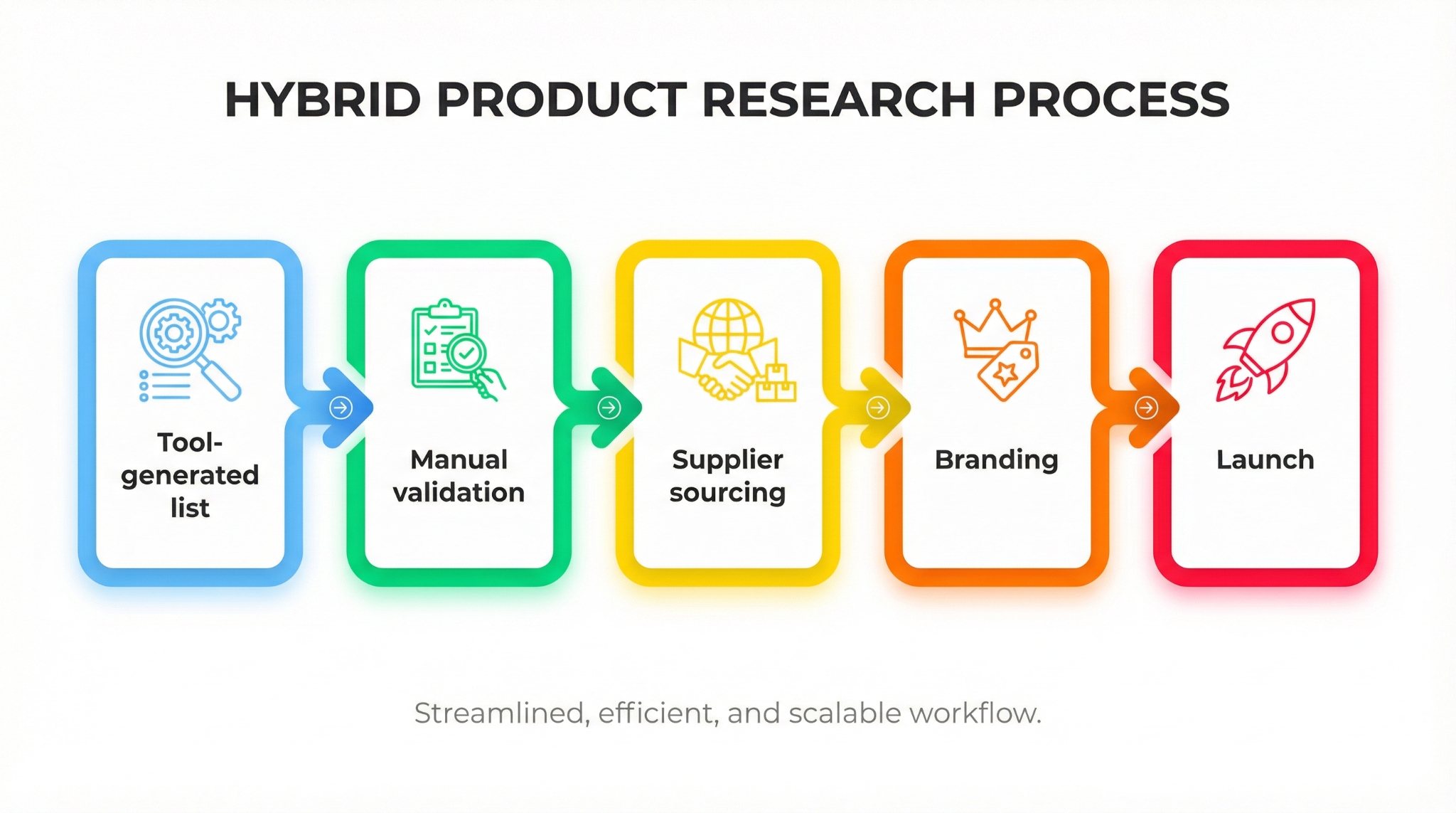
Hybrid workflow: manually filter ideas → validate with tool data.
Which tools to use in 2026?
SellerSprite, Helium 10 and Jungle Scout are all solid. SellerSprite stands out for balancing power + simplicity + AI, and is clearly cheaper with the 35% code — ideal for new and mid-scale sellers.